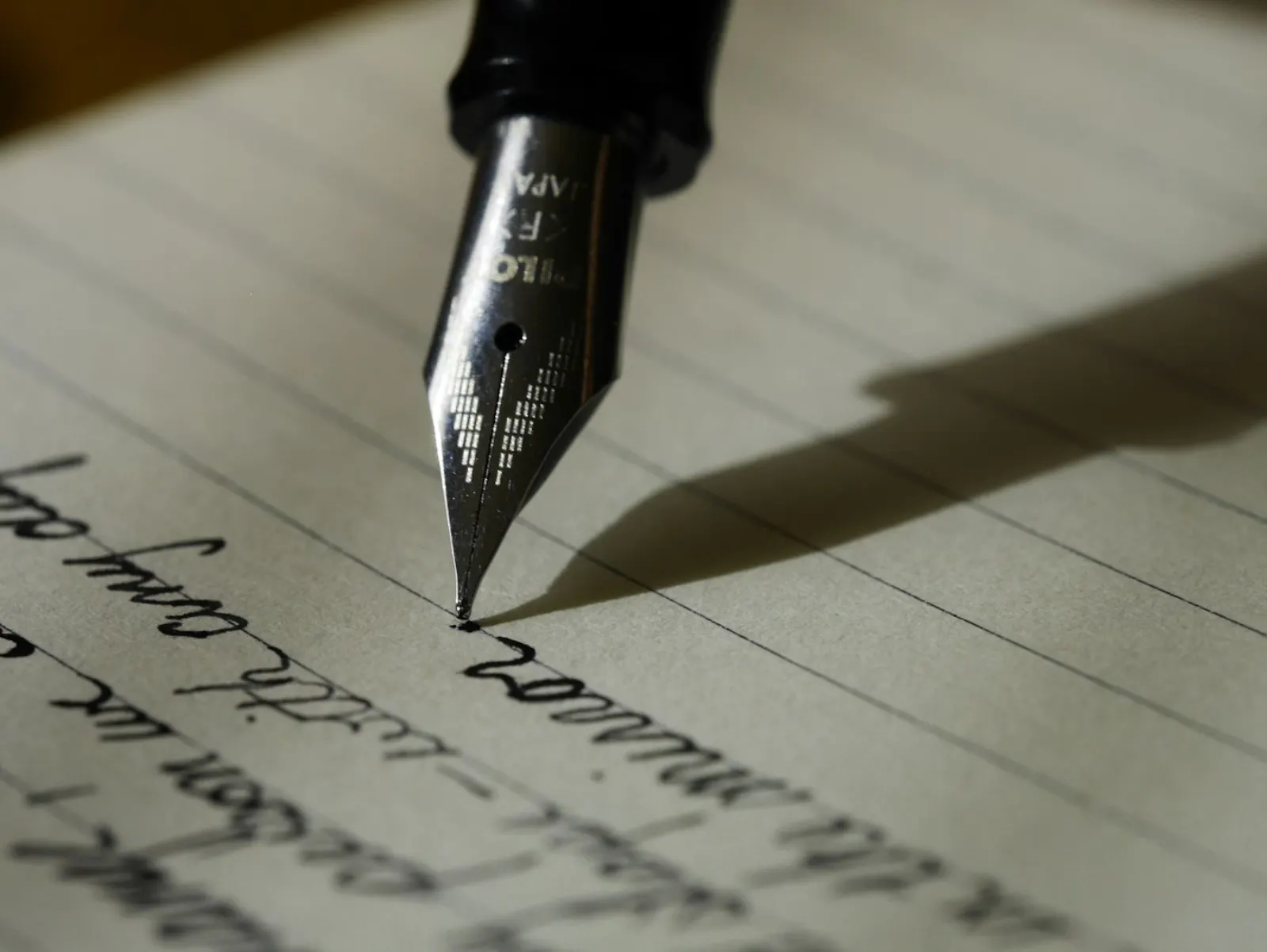
I did not choose the early hours; they chose me. On the coastguard night shift the quietest stretch was always between four and six, when the fishing fleet was out and the radio went still. That was when I wrote, in a notebook balanced on the logbook, and it is still when the sentences come most easily.
The ritual
The kettle goes on at ten to five. I don’t look at my phone. I take the tea to the shed, light the lamp and read back the last page I wrote the day before — never more than a page, because reading more invites editing, and editing at dawn is a waste of good darkness.
The trick is to stop mid-sentence the night before. You wake up already knowing the next word.
What it is good for
First drafts, mostly. The critical voice that will be so useful in the afternoon is still asleep. I write by hand, quickly, and aim for five hundred words before the light comes up over the estuary. On a good morning that is two thousand.
- Write by hand — the slowness is the point.
- Stop mid-sentence so tomorrow has a door.
- No reading back more than one page.
- Breakfast is a reward, not a starting gun.
When it doesn’t work
Some mornings nothing comes, and I sit and watch the gulls instead. That counts too. Half of Merrow’s weather was written from what I saw out of that shed window while pretending to work.